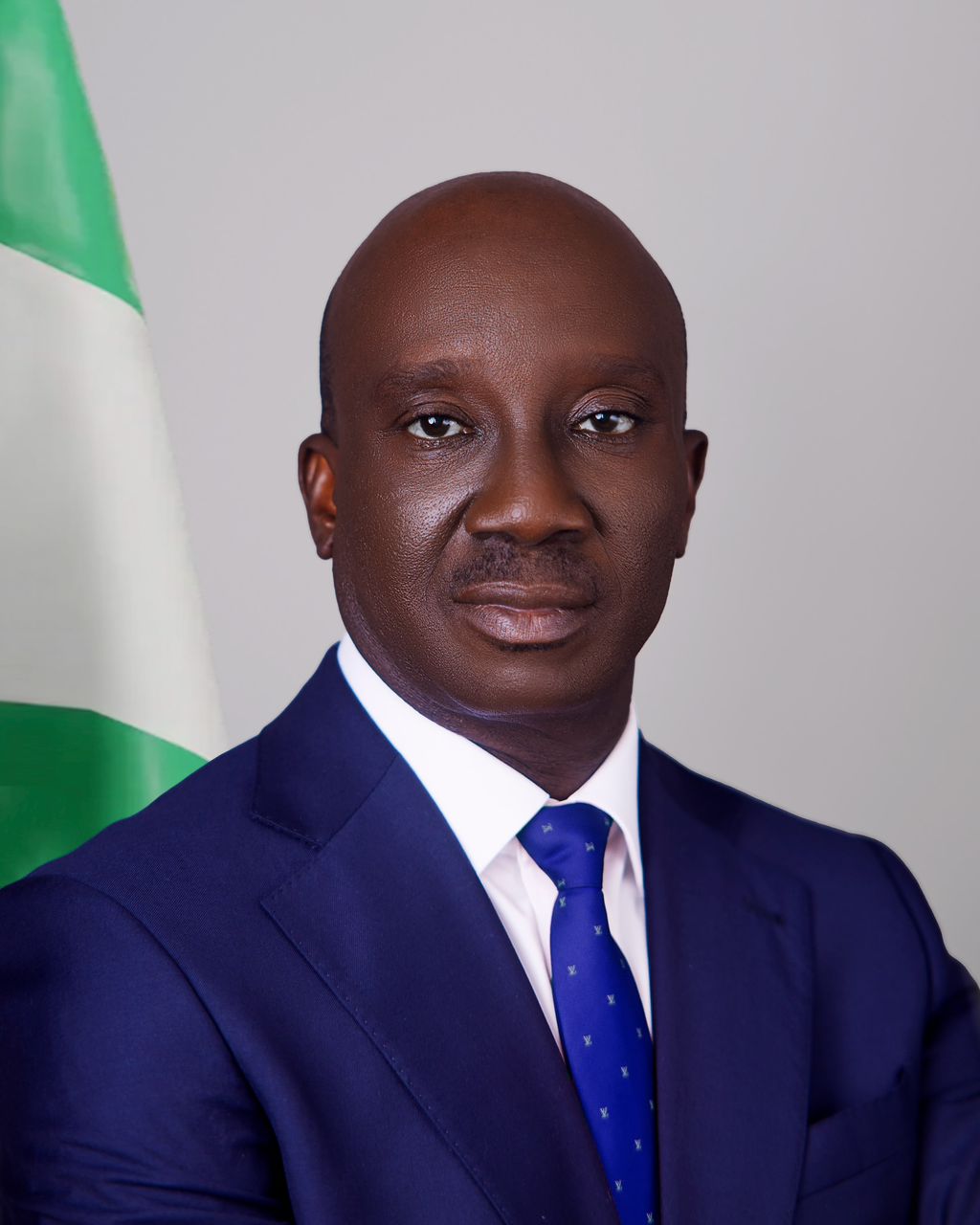

By Chief Julius Arokoyo
The people of Kabba and the larger Oweland have always prided themselves on a deep tradition of self-reliance, communal unity, and progressive development. From the formation of the Kabba Progressive Union (KPU) in 1922 to the establishment of the present-day Kabba Development Union (KDU) in 1977, every generation of Owe people has made deliberate efforts to build democratic, inclusive, and people-driven structures to promote the social and economic advancement of our land.
It is, therefore, with deep concern that we observe the recent developments involving the Obaro of Kabba-led faction of Traditional Council who has been allegedly linked to a parallel election of executive members within the KDU, causing division and confusion in what should be a united and neutral civic body.
This is not the legacy our forefathers built.
The founding fathers of Kabba’s development journey, Chief G. A. Dare, Chief John Obamero, Mr. Babington Olowookere, and others, established the KPU, not under the palace, but through civil collaboration. Their first major victory was the removal of the Alkali Court system imposed by Colonial rulers, a triumph that came from organised civic pressure, not from traditional interference. The Obaro and his fellow Ololus were then recognized to lead a Native Court aligned with Owe values, not to dominate civic unions, but to represent our customs with honour.
From KEDA to KSU, KYM, OTU, KCA, and KDM, the story of Owe development is the story of people, youths, elders, and professionals, coming together to address community needs. The KDU was formed as a unifying response to past divisions. In fact, its creation in 1976 involved the voluntary dissolution of older bodies to give way to a fresh, democratic structure open to all Owes, by birth or by heritage.
As custodian of tradition, the Obaro of Kabba plays an important advisory and unifying role. But he is not a political authority within a registered civic body. The KDU is governed by a constitution, a Board of Trustees, and an elected executive: positions earned through democratic processes, not royal appointment or influence.
Any attempt by the traditional stool to manipulate or divide this structure violates the spirit of the union and dishonours the legacy of those who built it.
The history of Kabba’s development shows what happens when personal or factional interests override collective goals. Many promising unions failed when unity broke down. The KDU must be protected from similar fate. Parallel elections, palace-favoured candidates, or royal factionalism only weaken the credibility of the union and risk setting a dangerous precedent across Oweland.
The Kabba Traditional Rulers have an opportunity to write their names in gold, not as divisive figures, but as fathers who uphold the integrity of both the traditional institution and the civic space. They should serve as guides, fathers to all factions, and protectors of peace, not participants in political struggles.
We respectfully urge His Royal Majesty, the Obaro of Kabba, and his traditional team to withdraw from any direct or indirect involvement in the KDU electoral process and work with all sides to restore unity, peace, and transparency in the Union. The people of Kabba deserve a development union that reflects their values, democracy, integrity and collective progress.
Let history remember us as a generation that chose unity over division, principle over politics, and legacy over ego!
Chief Arokoyo is the Obamudi of Owe Land.